
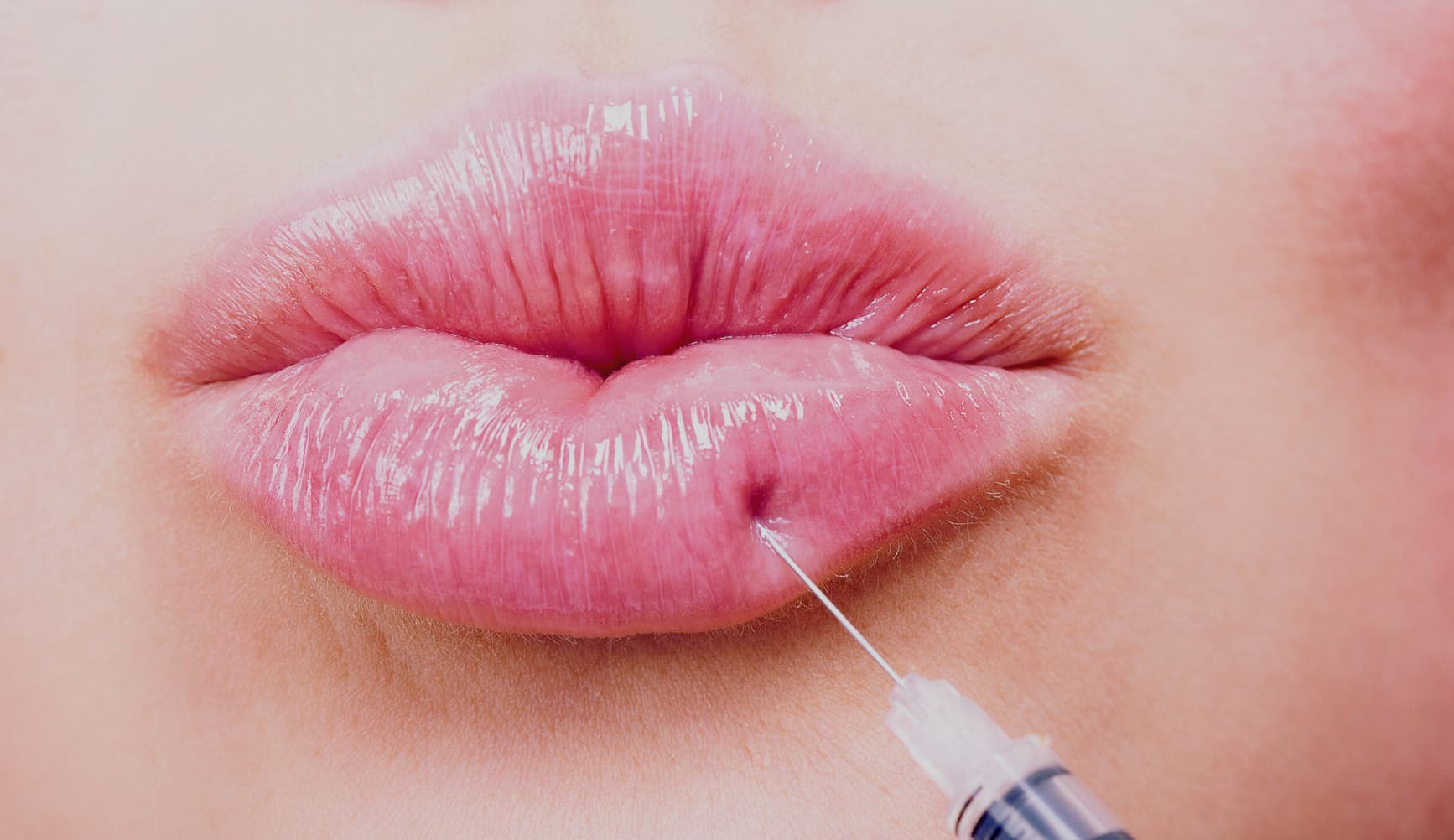
Dermal Lip Fillers FAQs
Dermal lip fillers offer a gentle way to refresh and reshape the lips without changing your face beyond recognition. Many people choose treatment to restore what time has taken away, rather than to chase a trend. At Vein Solutions, treatments are carried out in a medical clinic environment, with a focus on safety, subtle results and individual care.
This FAQ brings together the questions patients most often raise in consultation, so you can feel informed before deciding whether dermal lip fillers are right for you.
Natural Lip Enhancement At Vein Solutions
As we grow older, our lips often lose volume and definition. Fine lines can appear around the mouth, the cupid’s bow may look flatter, and lipstick may start to bleed into vertical lines. Some people also have naturally thin lips and feel they have never had the shape they want.
Dermal fillers can gently restore volume, define the lip border and soften fine lines. At Vein Solutions, the focus is on natural lip enhancement rather than dramatic change. Most patients want to look fresher and more rested, not obviously “done”.
Medical professionals provide treatments at a specialist vascular and aesthetics clinic. This means lip fillers are planned and delivered with a strong understanding of facial anatomy, circulation and overall health, not simply appearance.
Dermal Fillers and Lip Volume
Most modern lip fillers are based on hyaluronic acid. This is a naturally occurring sugar molecule that helps skin and soft tissues retain moisture and maintain structure. It binds water, helping plump, supple lips and smooth skin. Levels fall as we age, and that loss shows as thinner lips and increased wrinkling.
Dermal fillers use a purified, stabilised form of hyaluronic acid in gel form. Once injected, the gel integrates with the surrounding tissue. It attracts water, supports the skin, and replaces some of the volume lost over time. The body gradually breaks down hyaluronic acid fillers over several months rather than keeping them permanently.
In delicate areas such as the lips, softer gels are used. These are designed to move naturally with facial expressions and to feel smooth to the touch. Well-known hyaluronic acid fillers, such as Juvederm and Restylane, offer products specifically developed for lip enhancement and the area around the mouth.
These fillers are biodegradable. Over time, the body breaks them down, and their effects gradually fade. For most people, lip fillers last around 6 to 12 months, although this can vary depending on factors such as metabolism, smoking, and sun exposure.
Treatment Goals and Benefits
People choose dermal lip fillers for many different reasons. Common aims include:
- Restoring definition to the lip border that has softened with age
- Adding gentle volume to naturally thin lips
- Softening vertical “barcode” lines above the upper lip
- Balancing a top lip that is much thinner than the lower lip
- Improving mild asymmetry where one side of the lip looks slightly different to the other
Some patients also use filler to refine the corners of the mouth so the lips look less downturned at rest.
For many, lip fillers are not only about appearance but also about confidence. Patients report feeling more at ease in photographs, happier with their bare face and more comfortable wearing lipstick or gloss. Make-up often sits better and is less likely to bleed into lines.
At Vein Solutions, the aim is for close friends and family to notice you look well rather than immediately guessing you have had treatment. Subtle changes can still bring a real boost in day-to-day life.
Suitability and Medical Assessment
Good candidates are adults seeking realistic, natural-looking changes. This might be someone in their thirties or forties who has noticed age-related changes, or someone younger who has always had fine lips and would like a little more volume without losing balance in the rest of the face.
Before recommending treatment, your Vein Solutions practitioner will take a detailed medical history. This usually includes current medications, particularly blood thinners, a history of allergies, autoimmune disease, bleeding problems or previous reactions to fillers or local anaesthetics.
They will ask about cold sores and skin conditions around the mouth, as active infections need to settle before treatment. Any recent dental work in the area should be discussed, as this can occasionally increase the risk of infection.
Lifestyle factors also play a part. Smoking, significant sun exposure and general health can influence both the healing process and the longevity of results.
There are times when dermal lip fillers may not be recommended. These include pregnancy and breastfeeding, significant uncontrolled medical conditions and a history of severe allergic reactions to components of fillers or dissolving agents.
If someone appears to be under pressure from others to have treatment, or has signs of body dysmorphic disorder. In that case, the practitioner may advise against lip fillers and instead recommend support from another healthcare professional.
Safety and Regulation
Hyaluronic acid fillers have been used for many years and are generally considered safe when used appropriately by trained medical professionals. However, they are still medical treatments, not beauty treatments, and carry risks as well as benefits.
National guidance encourages people to choose a practitioner who is medically qualified, properly insured and working from a suitable clinical environment. Patients are advised to review training, experience, complication management plans, and feedback from other patients before proceeding with any injectable procedure.
At Vein Solutions, lip fillers are part of a broader medical aesthetics and vascular service. This means there is access to clinical facilities, emergency equipment, dissolving agents and multidisciplinary support if needed.
Treatment at Vein Solutions
Your journey starts with a consultation. During this appointment, you will have time to talk about what bothers you and what you would like to improve. The practitioner will examine your lips, teeth, and facial profile, as these factors affect how the results will look.
Photographs are usually taken for your records. These help with planning and allow you to see the difference at review. The practitioner will explain what can realistically be achieved with dermal lip fillers and whether other treatments might also help, for example, treating nearby wrinkles or adjusting facial balance with filler in different areas.
A clear plan is agreed upon before any treatment takes place. You may be advised to avoid alcohol for a day or two beforehand and to minimise use of medicines and supplements that increase bruising, such as aspirin, ibuprofen, certain herbal products and high-dose omega-3, unless these have been prescribed for a medical condition. Always follow the advice of the doctor who prescribed your medication.
If you are prone to cold sores, you may be given preventive antiviral tablets or advised on the timing to reduce the risk of a flare after treatment. The lips and surrounding skin should be clean on the day.
On the day, a numbing cream may be applied to the lips to improve comfort. Many modern lip fillers also contain local anaesthetic in the gel itself, further reducing discomfort.
The practitioner will inject small amounts of filler using a fine needle or a flexible cannula. They work slowly and carefully, building volume in stages and checking symmetry. You may be asked to look in a mirror partway through so you can give feedback.
The procedure usually takes between fifteen and thirty minutes once preparation is complete. Most people describe the sensation as mild stinging or pressure rather than sharp pain. The combination of a topical anaesthetic, anaesthetic within the filler, and a gentle technique usually makes the treatment very tolerable. If at any point you feel too uncomfortable, the practitioner can pause, adjust or add further numbing.
Aftercare And Recovery
It is very common for the lips to look swollen immediately after treatment. Swelling is often more noticeable the following morning and can last for a few days. Bruising, tenderness and a feeling of fullness are also typical in the short term.
Small lumps can sometimes be felt in the lips when you run your tongue over them. These usually represent temporary swelling or areas where the filler is still settling into the surrounding tissue.
Mild unevenness is common in the first couple of days because one side may swell more than the other. This usually evens out as the swelling subsides.
Your practitioner will give you written aftercare guidance. This commonly includes advice to avoid touching or massaging the lips unless you have explicitly been asked to do so, as excessive pressure can move the filler.
Cool compresses can help with discomfort and swelling. Heavy exercise, very hot showers, saunas and steam rooms are often best avoided for the first day or two, as heat and increased blood flow can worsen swelling and bruising.
You may be asked to avoid alcohol for the rest of the day and to sleep with your head slightly raised on the first night. Lipstick and lip balm are usually best avoided until the skin has settled and any needle entry points have closed.
Complications are rare but need prompt attention. You should contact Vein Solutions straight away, or follow emergency advice, if you notice severe or worsening pain, unusual colour changes such as patchy whitening or a dusky tone to the skin, blisters, spreading redness, warmth, or any other worrying symptoms.
Early review allows the team to assess circulation, rule out infection and treat quickly where needed.
Results, Longevity and Maintenance
Results are visible straight away, although the final outcome is not apparent until the swelling goes down. In the first few days, lips can look bigger than planned due to swelling and may feel firmer than expected.
Over the next one to two weeks, the filler draws in water, integrates with the tissues and softens. At this point, the lips tend to look more natural and feel more like your own.
A review appointment is often scheduled about 2 weeks after treatment. This gives you a chance to discuss your results, ask further questions and consider whether you would like any minor adjustments.
For most patients, hyaluronic acid lip fillers last between six and twelve months before gradually fading. Some notice that results last a little less once, then settle into a fairly predictable pattern.
Areas that move a lot, such as the lips, tend to break down filler faster than stiller areas, such as the cheeks. Individual metabolism, smoking, sun exposure, and skincare all affect the skin.
Regular small treatments are usually safer and more attractive than infrequent large volumes. Many people choose to book maintenance appointments roughly once or twice a year, timed so that the lips never return fully to their starting point.
At each visit, the practitioner will reassess your face as a whole. Tastes can change, and the face continues to age, so the plan is adjusted over time to keep everything in balance.
Risks, Side Effects and Complications
Short-term effects such as swelling, redness, bruising, tenderness and a feeling of tightness are very common and usually settle within a few days.
Mild lumps or unevenness often resolve as swelling goes down and the filler settles. Makeup can usually be used to cover any bruising once the skin surface has healed.
Less common issues include allergic reactions, prolonged swelling, infection, delayed inflammatory reactions, and vascular compromise, in which blood flow to an area is reduced. These are uncommon, particularly with modern hyaluronic acid fillers in experienced hands, but they can occur and need prompt management.
Very rarely, fillers or dissolving agents such as hyaluronidase can trigger severe allergic reactions. For this reason, treatment must be carried out in a medical setting with access to emergency care.
Risk is lowered by careful patient selection, detailed medical history, skilled technique and the use of reputable filler brands. At Vein Solutions, practitioners are trained not only to inject, but also to recognise and manage complications should they arise. The availability of hyaluronidase to dissolve hyaluronic acid filler provides an additional safety net if a problem is identified.
Dermal Lip Fillers Compared With Other Options
Botulinum toxin and dermal fillers are sometimes mentioned together, but they work in different ways. Lip fillers add volume and structure, improving definition and fullness. Botulinum toxin reduces movement in specific muscles, which can soften certain lines caused by expression.
Around the mouth, tiny doses of botulinum toxin may be used to soften strong vertical lines or to relax muscles that pull the lip inwards. In some cases, a combination approach gives the best result, with filler restoring volume and botulinum toxin easing movement-related creasing. This is carefully planned to preserve natural speech and a smile.
A surgical lip lift changes the length or position of the upper lip by removing skin under the nose. This can shorten a long upper lip and increase the amount of pink lip that shows. Surgery offers a permanent change but involves scars, a longer recovery and the usual risks of an operation.
Dermal lip fillers are non-surgical, reversible and adjustable over time. They suit people who want flexibility, those who are unsure what suits them, or those who prefer not to have surgery. They can also be a helpful first step before deciding on any permanent change.
Lip plumping glosses and suction devices work by irritating or drawing fluid into the lips. The effect is short-lived and can sometimes cause soreness or broken capillaries.
In contrast, hyaluronic acid fillers change the underlying structure of the lips for several months at a time. The effect is more predictable when performed by trained medical professionals and can be tweaked to meet your goals.
Costs and Treatment Planning
The cost of dermal lip fillers depends on the type of filler used, the amount required, and the practitioner’s experience. Treatment is usually priced per syringe, with the plan agreed in advance so you know what to expect.
Very low prices can be a warning sign. They may reflect cheaper products, minimal training, or treatment in settings without the proper medical support. Given that complications, although rare, can be serious, it makes sense to prioritise safety, experience, and adequate aftercare over the lowest price.
At Vein Solutions, your consultation covers a complete assessment, discussion of options and a breakdown of costs. Follow-up is included so you are not left to manage concerns on your own.
Dermal Lip Fillers FAQs
Q: Are Dermal Lip Fillers Safe For Most People
Hyaluronic acid lip fillers have a good safety record when used by trained medical professionals in a suitable clinical environment. Not everyone is appropriate, so a thorough consultation and medical assessment are always needed first.
Q: Do Lip Filler Injections Hurt
Most people describe lip fillers as uncomfortable rather than painful. Numbing cream and local anaesthetic within the filler help reduce the sensation. You may feel pressure or stinging, but this is usually brief and manageable.
Q: Can Lip Fillers Be Removed If I Am Unhappy
Most hyaluronic acid lip fillers can be dissolved with an enzyme called hyaluronidase. This breaks down the filler so the body can clear it more quickly. Dissolving is usually reserved for specific problems or clearly unsatisfactory results and is always carried out by medical professionals.
Q: Are Results From Dermal Lip Fillers Permanent
Results from hyaluronic acid lip fillers are not permanent. The body gradually breaks the filler down over months. Many people view this as an advantage, as it allows lips to be adjusted over time as preferences and facial features change.
Q: Can I Wear Lipstick After Lip Fillers
Most practitioners recommend avoiding lipstick and gloss for the first day to reduce the risk of infection and irritation. Once the skin has settled and any needle entry points have closed, you can usually return to your usual products.
Q: Are Lip Fillers Suitable If I Have Had Cold Sores
People who are prone to cold sores can still have lip fillers, but the treatment may trigger a flare. Your practitioner may suggest antiviral tablets or careful timing to reduce this risk. It is important to mention any history of cold sores during your consultation.
Q: Do Lip Fillers Look Natural Or Obvious
Natural results depend on product choice, injection technique and volume. At Vein Solutions, the aim is to enhance your existing lip shape rather than to create an exaggerated look, so friends may notice you look fresher without being able to pinpoint why.
Q: Can I Have Lip Fillers And Other Facial Fillers Together
Yes, many patients have fillers in more than one area, such as the lips and cheeks. This can improve facial balance and profile. A comprehensive plan is created to avoid overfilling and to maintain a harmonious appearance.
Q: Are There Age Limits For Lip Fillers
In the UK, reputable clinics treat adults rather than under eighteens. There is no fixed upper age limit, but suitability depends on health, skin quality and realistic expectations rather than age alone.
Q: Are Lip Fillers A Good Option For Smoker’s Lines
Smoker’s lines, or vertical lines above the top lip, often respond well to small amounts of soft hyaluronic acid filler placed very superficially. Sometimes this is combined with tiny doses of botulinum toxin to relax the muscles that contribute to the lines.
Q: Can Lip Fillers Correct Uneven Lips
Mild asymmetry often improves with careful filler placement. The practitioner can add small amounts of volume to specific areas to create a more balanced shape. Perfect symmetry is rarely possible, but noticeable differences can often be reduced.
Q: Are Lip Fillers Safe For Men As Well As Women
Yes. Men and women can benefit from subtle lip enhancement, particularly when ageing has led to a thinner upper lip or downturned corners. Treatment plans for men are shaped to respect masculine features and proportions.
Q: Can I Drive or Go Back to Work After Lip Fillers
Most people feel well enough to drive home and return to desk-based work the same day. The lips may be swollen and tender, so you might prefer to schedule treatment on a day when you can have a quieter day, or work from home if that is an option.
Lip Fillers at Vein Solutions
Vein Solutions is a specialist vascular treatment clinic that also offers medical aesthetic treatments, including dermal lip fillers. The team has extensive experience in managing delicate procedures involving blood vessels and soft tissues, which is highly relevant to the safe performance of lip augmentation.
From your first consultation through to aftercare and review, the focus is on honest advice, natural results and patient safety. You will receive a personalised plan that respects your features and goals, with time to ask questions and reflect before proceeding.
If you are considering dermal lip fillers and would like to talk through your options in more detail, you can contact Vein Solutions to arrange a consultation or request a call back at a time that suits you.
Related Articles
- Can Lip Fillers Look Natural?
- Making Thin Lips Look Fuller
- Lip Fillers Upkeep Tips for Maintaining that Fuller Look
- Lip Fillers and What to Expect
- Lip Augmentation for Thin Lips: Q&A
Prefer an AI Summary?